Today in class, a student asked me, "What is the difference between collocations and idioms?" I simply replied "No" without a full explanation. Let me share the explanation with all of you in this post.
A collocation is the way words combine to produce natural speech and writing. For example when you say "pay attention," it could be "give attention, or put attention" but it is not, it is "pay attention" because it is the natural way in which native speakers express that.
An idiom is a sequence of words which has a different meaning than the meaning they would have if you understood them separately. For example, when you say "it's raining cats and dogs" you do not really mean that cats and dogs are falling down from the sky but that there is a heavy rain.
from: http://education.blurtit.com/2508568/what-is-the-difference-between-collocation-and-idioms
Here are some more idioms:
1. piece of cake - to say that something was very easy to accomplish
2. cost an arm and a leg - to say that something is very expensive
3. break a leg - to wish someone good luck
4. hit the books - to study
5. let the cat out of the bag - to tell a secret that was not meant to be told
Tuesday, May 27, 2014

Monday, May 19, 2014
Unit 2: Leadership (May 20 class)
This unit looks at the qualities, skills, and experience that effective leaders need. It also looks at different management styles and focuses on the aggressive management style sometimes used by managers of football teams.
In addition this unit covers employee motivation. Think about your part-time job - how are you motivated to do a good job (or not do a good job)? There are different opinions on the best way to motivate and inspire employees - such as setting an example for employees to follow, inspiring respect, giving a financial reward or non-financial reward (such as respect or status). The best way to motivate staff may be different according to the situation and the personal and cultural background of the staff. However, many agree that in order to delegate effectively, a leader must make sure to give the employees enough information so they can do the job they are given. Also, leaders must show that they are willing to give responsibility to others.
WARMUP Work in pairs: each pair should choose 2 people who they think are great leaders - they should be from different areas, such as politics, education, sports, business, etc. Brainstorm what makes a great leader.
MANAGEMENT VS. LEADERSHIP
Management and leadership are not the same, though both work hand in hand. Here are a couple of examples of the differences:
1. Leaders are the forward thinkers - they innovate, taking the "big picture" of the company, looking at where it is now and where it should be headed. Managers put these innovations into practice.
2. Leaders have a long-range perspective while managers have a short-range view.
3. Leaders focus on ideas and plans; managers put the ideas and plans into practice. In other words, managers organize and coordinate the various tasks and the people who will do them.
READING (p. 17)
Additional information - When you have time, read about who John Patterson was and his company NCR here.
In addition this unit covers employee motivation. Think about your part-time job - how are you motivated to do a good job (or not do a good job)? There are different opinions on the best way to motivate and inspire employees - such as setting an example for employees to follow, inspiring respect, giving a financial reward or non-financial reward (such as respect or status). The best way to motivate staff may be different according to the situation and the personal and cultural background of the staff. However, many agree that in order to delegate effectively, a leader must make sure to give the employees enough information so they can do the job they are given. Also, leaders must show that they are willing to give responsibility to others.
WARMUP Work in pairs: each pair should choose 2 people who they think are great leaders - they should be from different areas, such as politics, education, sports, business, etc. Brainstorm what makes a great leader.
MANAGEMENT VS. LEADERSHIP
Management and leadership are not the same, though both work hand in hand. Here are a couple of examples of the differences:
1. Leaders are the forward thinkers - they innovate, taking the "big picture" of the company, looking at where it is now and where it should be headed. Managers put these innovations into practice.
2. Leaders have a long-range perspective while managers have a short-range view.
3. Leaders focus on ideas and plans; managers put the ideas and plans into practice. In other words, managers organize and coordinate the various tasks and the people who will do them.
READING (p. 17)
Additional information - When you have time, read about who John Patterson was and his company NCR here.
Monday, May 12, 2014
May 13 class
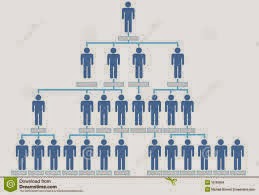
p. 13 "Culture at work" - Hierarchy: Hierarchy refers to the distance between different layers of staff and management in an organisation (company). Recently, some companies have restructured their company, removing levels of management and producing a flatter hierarchy. Why? To cut costs and improve communication. Some organisations have also begun to regroup their staff into project teams.
In a steep hierarchy - there are many levels of management; there is unequal distribution of power; each member of staff has a fixed role or function.
In a flatter hierarchy - there are fewer levels of management; power is more equally distributed among employees, and their roles are more flexible.
p. 13 Listening
2. Harry Wilson: oversees every aspect of policy practice
15,000 employees
"I am responsible for...."
3. Karl-Heinz Egonolf: deals with external auditors. He oversees quarterly reports
10 accountants
Phrase: "My job entails...."
4. Jill Black: in charge of people taking phone orders for different companies
responsible for recruitment and training[reporting to client companies and contacting new clients
25 people
Phrase: "I am in charge of...." "I report to...."
5. Mary Fitzsimmons: deals with the press, sends out press releases, is in charge of a team of writers
15 staff plus 20 freelance writers
Phrase: "I'm also in charge of....."
HW for May 20: write the email on p. 14 ("write it up"). Read p. 18 in the style guide to prepare and refer to the two examples on p. 19. Your email should follow the model for a formal email.
Details for the header: The sender of the email is you. Choose the position you have in the company. The date is the day you do the HW. Don't forget to write an imaginary Cc,. Bcc. and a real Subject. If you want to add an imaginary attachment, give the attachment a name.
Type your HW on A4 paper, put your name at the top and bring to class to hand in. I would like to see your HW this time.
In a steep hierarchy - there are many levels of management; there is unequal distribution of power; each member of staff has a fixed role or function.
In a flatter hierarchy - there are fewer levels of management; power is more equally distributed among employees, and their roles are more flexible.
p. 13 Listening
2. Harry Wilson: oversees every aspect of policy practice
15,000 employees
"I am responsible for...."
3. Karl-Heinz Egonolf: deals with external auditors. He oversees quarterly reports
10 accountants
Phrase: "My job entails...."
4. Jill Black: in charge of people taking phone orders for different companies
responsible for recruitment and training[reporting to client companies and contacting new clients
25 people
Phrase: "I am in charge of...." "I report to...."
5. Mary Fitzsimmons: deals with the press, sends out press releases, is in charge of a team of writers
15 staff plus 20 freelance writers
Phrase: "I'm also in charge of....."
HW for May 20: write the email on p. 14 ("write it up"). Read p. 18 in the style guide to prepare and refer to the two examples on p. 19. Your email should follow the model for a formal email.
Details for the header: The sender of the email is you. Choose the position you have in the company. The date is the day you do the HW. Don't forget to write an imaginary Cc,. Bcc. and a real Subject. If you want to add an imaginary attachment, give the attachment a name.
Type your HW on A4 paper, put your name at the top and bring to class to hand in. I would like to see your HW this time.
Unit 1 pp. 8-13 (April 29)
Reading 1 (p.8)
If consumers, producers, and shareholders have more choice, companies will have to structure themselves differently. They will have to be more flexible to satisfy what the customers want.
Companies will have to offer more choices - a greater variety of goods and services, for example.
Reading 2 (p. 8)
There are 7 paragraphs in this article. Number them 1-7.
1. par 2: In the past, they were hierarchical or buraucratic organisations making long runs of standardised products (the same lineup of products year after year). They improved products instead of innovating. They provided lifelong employment, and had good relationships with others in the industry.
2. par 3: Giant corporations disappeared or were transformed. They changed from high volume to high value, from standardised to customised. There are flatter hierarchies, meaning that the vertical structure of the employees became more horizontal, and so does the power in the company (there are more people with some power and fewer people with a lot of power). There is less lifelong employment.
3. High volume = mass production. High value = small quantities with a larger profit margin (therefore more expensive).
4. The author mentions giant companies (par 4), small companies (par 5), and networks of entrepreneurs (par 6).
5. par 7: Because consumers, producters, and shareholders have more choice.
6. par 7: Fiexibility.
FYI, Monorail, the company mentioned in par 5 no longer exists.
Vocabulary 1 (1), p. 10
1. freelancer
2. entrepreneurs
3. venture capitalists
4. bidder/comsumers
5. producer
6. shareholder
Vocabulary 1 (2), p. 10
2. d 3. a 4. f 5. h 6. g 7. c (tangible = concrete) 8. c
Vocabulary 2 (1), p. 12
Transatlantica is a traditional hierarchichal company. Spearhead is less traditional: it has a loose organisational structure, and works with a network of companies.
Vocabulary 2 (2), p. 12
1. Information Technology (IT) 2. Human Resources (HR) 3. Finance 4 Legal Affairs 5. Electronic Supplies Ltd. 6. Global Transport Solutions Ltd. 7. Always Answers Call Centre, Solutions Vehicle Hire 8. Paul Phillips 9. Solutions Vehicle Hire
HW for 5.13
Do page 13 - listening (you have the CDs) and writing exercises
Write a paragraph or two to answer the questions in "Culture at work" at the bottom of p. 13, which is about hierarchies.
If consumers, producers, and shareholders have more choice, companies will have to structure themselves differently. They will have to be more flexible to satisfy what the customers want.
Companies will have to offer more choices - a greater variety of goods and services, for example.
Reading 2 (p. 8)
There are 7 paragraphs in this article. Number them 1-7.
1. par 2: In the past, they were hierarchical or buraucratic organisations making long runs of standardised products (the same lineup of products year after year). They improved products instead of innovating. They provided lifelong employment, and had good relationships with others in the industry.
2. par 3: Giant corporations disappeared or were transformed. They changed from high volume to high value, from standardised to customised. There are flatter hierarchies, meaning that the vertical structure of the employees became more horizontal, and so does the power in the company (there are more people with some power and fewer people with a lot of power). There is less lifelong employment.
3. High volume = mass production. High value = small quantities with a larger profit margin (therefore more expensive).
4. The author mentions giant companies (par 4), small companies (par 5), and networks of entrepreneurs (par 6).
5. par 7: Because consumers, producters, and shareholders have more choice.
6. par 7: Fiexibility.
FYI, Monorail, the company mentioned in par 5 no longer exists.
Vocabulary 1 (1), p. 10
1. freelancer
2. entrepreneurs
3. venture capitalists
4. bidder/comsumers
5. producer
6. shareholder
Vocabulary 1 (2), p. 10
2. d 3. a 4. f 5. h 6. g 7. c (tangible = concrete) 8. c
Vocabulary 2 (1), p. 12
Transatlantica is a traditional hierarchichal company. Spearhead is less traditional: it has a loose organisational structure, and works with a network of companies.
Vocabulary 2 (2), p. 12
1. Information Technology (IT) 2. Human Resources (HR) 3. Finance 4 Legal Affairs 5. Electronic Supplies Ltd. 6. Global Transport Solutions Ltd. 7. Always Answers Call Centre, Solutions Vehicle Hire 8. Paul Phillips 9. Solutions Vehicle Hire
HW for 5.13
Do page 13 - listening (you have the CDs) and writing exercises
Write a paragraph or two to answer the questions in "Culture at work" at the bottom of p. 13, which is about hierarchies.
Sunday, April 27, 2014
Updates from our discussions on 4.22
Sony and its purchases of movie companies:
Sony bought Columbia Tri-Star Pictures in 1991 and also acquired MGM (another movie studio) in 2005. It is called Sony Pictures Entertainment (SPE).

Tokyo's Silicon Valley:
It started up in Shibuya in the early 2000s, I think, and was called "Bit Valley." It refers to online venture companies, which of course, are started by entrepreneurs. I couldn't really find much online about it, so maybe it has died out. The only thing I found is here. Sorry for the misinformation. There might be activity going on in other parts of Japan, such as Fukuoka and Sapporo, but again, I don't really know.
Sony bought Columbia Tri-Star Pictures in 1991 and also acquired MGM (another movie studio) in 2005. It is called Sony Pictures Entertainment (SPE).
Tokyo's Silicon Valley:
It started up in Shibuya in the early 2000s, I think, and was called "Bit Valley." It refers to online venture companies, which of course, are started by entrepreneurs. I couldn't really find much online about it, so maybe it has died out. The only thing I found is here. Sorry for the misinformation. There might be activity going on in other parts of Japan, such as Fukuoka and Sapporo, but again, I don't really know.
Thursday, April 24, 2014
Oxford Placement Test - Tuesday April 29, 4:30pm Chuo 503
I will hold a session outside of class to let you try the Oxford Placement Test for free. It is a new online test produced by Oxford University Press. The test takes about 70 minutes and is divided into two sections - use of English and listening. It is different from the TOEIC test in at least two ways: first, it is an online test, and second, it is a computer adaptive test, which means that the difficulty of the questions changes according to your answers (the TOEFL iBT does this too). It contains a mix of American and British English accents in the listening section. Here is the download link to a Powerpoint file which will give you some information about the procedure. You can also see these slides below.
You will be able to see your scores immediately after you take the test. Though we will not use the test results for placement, they should be useful to you to understand your English level according to world standards. Besides the score, you will get a short paragraph explaining your level in English. It is based on the CEFR, (Common European Framework), which is becoming well known in Japan. You can compare it with your most recent TOEIC score and the written description of your level that comes with the test result.
Please bring your most recent TOEIC score on the test day if you are willing to share it with me. There will be a place in the test setup to input it.
You must email me with your name, class name, and student# by Sunday April 27 at 17:00 to let me know if you will take the test. I need to know in advance so I can pay for the tests. The limit will be 30 students.


You will be able to see your scores immediately after you take the test. Though we will not use the test results for placement, they should be useful to you to understand your English level according to world standards. Besides the score, you will get a short paragraph explaining your level in English. It is based on the CEFR, (Common European Framework), which is becoming well known in Japan. You can compare it with your most recent TOEIC score and the written description of your level that comes with the test result.
Please bring your most recent TOEIC score on the test day if you are willing to share it with me. There will be a place in the test setup to input it.
You must email me with your name, class name, and student# by Sunday April 27 at 17:00 to let me know if you will take the test. I need to know in advance so I can pay for the tests. The limit will be 30 students.
Your login link is here, where you will see the screen below. Go to "Organisation login" as you can see here:
Sunday, April 20, 2014
Intelligent Business Vocabulary for Chapter 1
This list is only partially complete. Add vocabulary/concepts presented in the text that you need and define them.
Multinational: a
company that operates in different countries, where it manages production or
delivers services, has offices, branches or manufacturing plants.
Examples: Pepsi, Coca-cola, P&G, Sony, IBM, Toyota,
Nike, Apple, Microsoft, Citigroup, Intel
Who owns a
corporation?
The shareholders own a corporation. This can range from a
single shareholder in a closely held corporation to thousands of shareholders
in a publicly traded company. Stockholders may be individuals or what are
called "institutitional investors," such as mutual funds, retirement
plans and insurance companies. There is a variety of types of shares that can
be issued by a corporation: they can be different classes or have voting or
non-voting privileges. But all shareholders have one thing in common - they
represent an ownership interest in the corporation. The daily operations of a
corporation are overseen by the board of directors but there must be an annual
meeting of the shareholders to elect the board members and ratify actions taken
by the board.
Who owns Microsoft
Corporation?
The public owns Microsoft since it is a publicly traded
company.
Merger: see
glossary
Acquisition: A corporate action in which
a company buys most, if not all, of the target company in order to assume control
of the target firm. Acquisitions are often made as part of a company's growth strategy.
Entrepreneur: see glossary
Dotcom: a company that conducts
most or all of its business on the internet. Examples
- Amazon, Yahoo, Google, eBay
Subscribe to:
Posts (Atom)